

Bottoms
Sustainable Bottoms: The Eco-Friendly Fabric Revolution in 2025
Explore how Espace Cannelle is leading the charge in sustainable fashion with innovative eco-friendly fabrics. Join the revolution in 2025 where style meets responsibility, and learn how your choices can make a difference.
Jan 17, 2026
7 min read
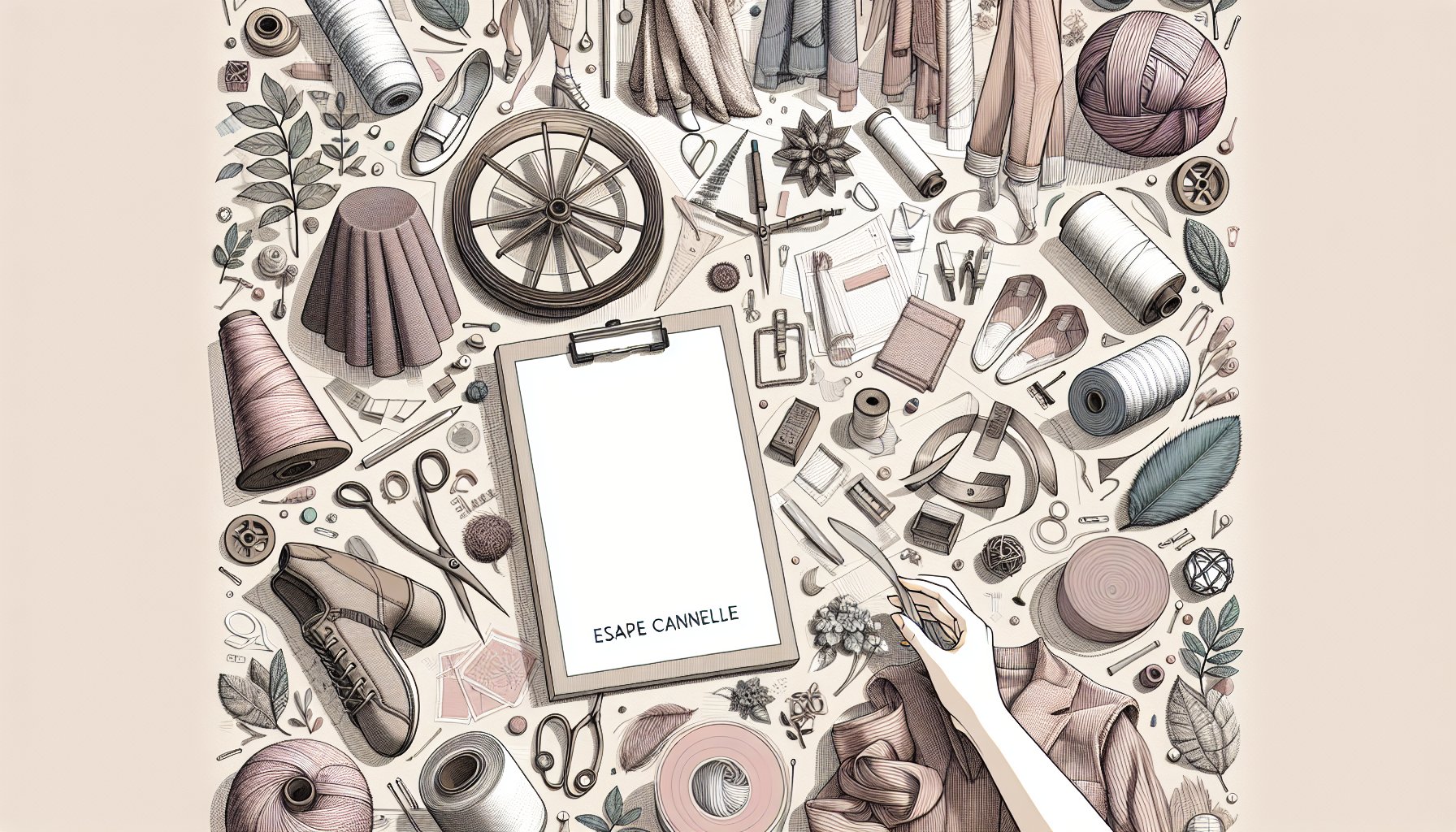
Sustainable Bottoms: The Eco-Friendly Fabric Revolution in 2025
Weaving a Greener Tomorrow
Welcome to 2025, where the fashion world finds itself at a pivotal junction. Gone are the days when eco-friendly fabrics were just a niche market. Now, they're the catwalk’s main event, with sustainability strutting its stuff like a supermodel on a zero-waste diet. The charge is led by pioneers like Espace Cannelle, who weave sustainability into every stitch and every seam.
Espace Cannelle stands out by embracing innovative materials like organic cotton and hemp. They're not just about reducing carbon footprints; they're dancing wildly on them. While traditional textiles have been busy polluting waters and puffing out carbon emissions, Espace Cannelle transforms agricultural waste into biodegradable masterpieces.
And this isn't just a local affair. Around the globe, eco-friendly fabrics are popping up faster than you can say "recycled pineapple leaves." Vietnam, for instance, is turning agricultural waste, leaves that would otherwise gather dust, into soft, breathable textiles, proving that one man's trash is another man’s designer duds.
The Thread of Change
In a world that's finally waking up to its own mess, sustainable textiles have gone from being a designer's pet project to a full-blown revolution. Brands like Espace Cannelle are more than just fashion labels, they're eco-warriors in disguise. The textile industry? Historically, not the best houseguest, but change is in the air.
From Spain's exciting eco-swimwear (think luxurious bikinis that whisper sweet nothings to Mother Earth) to Vietnam’s ingenious use of agricultural waste, the global landscape is one of innovation and responsibility. Market leaders are not just selling clothes; they're selling ideals, pushing for a world where style and substance walk hand in hand down the runway.
Espace Cannelle: Crafting a Sustainable Legacy
Enter Espace Cannelle, a name synonymous with sustainable chic. They’ve carved a niche by doing things differently, using hemp and recycled organic cotton to make garments that tell a story of responsibility. Each piece is a testament to what happens when innovation meets intention. Their commitment to sustainability isn’t just a marketing gimmick; it’s their raison d’être, a passionate plea for a world less obsessed with speed and more intrigued by the slow beauty of lasting quality.
Beyond the materials, Espace Cannelle champions sustainable production practices, ensuring that every step of their supply chain is as transparent as the “free-range” label on your organic eggs. It’s all about connecting the dots, showing consumers they’re not just buying a product; they’re joining a movement.
The Fabric of Innovation
As we dive deeper into 2025, the fabric of innovation is spun with creativity and environmental responsibility. Espace Cannelle leads the charge, reimagining textiles by repurposing waste into beautiful, wearable art. From recycled fishing nets turned into swimwear to biodegradable fabrics, they’ve got a vision that’s both eco-friendly and stylish.
Vietnam’s textile revolution has caught their eye, where pineapple leaves find a second life as sumptuous fabric, illustrating a circular economy that's nourishing rural communities and the planet. It’s not just fashion; it’s forward-thinking on a global scale.
The Artisans Behind the Fabric
At the heart of this movement are the artisans, those skilled hands crafting not just clothes, but stories. Espace Cannelle’s artisans, using techniques passed through generations, are the unsung heroes of the sustainable fashion story. They’re turning ecological solutions into luxury, ensuring every piece is as rich in history as it is in style.
These artisans are reinventing what luxury means, focusing on the planet’s longevity rather than fleeting trends. They’re crafting narratives into each garment, encouraging consumers to think about the stories our clothes tell.
Fashion's Green Footprint
Fashion’s future isn’t just about looking good; it’s about doing good. Brands like Espace Cannelle are thriving in this new paradigm where stylish choices meet environmental conscience. Sustainable swimwear is making waves, turning every bikini into a badge of eco-conscious living.
Consumers today are savvy to the impact of their choices. They want more than luxury, they want ethics. And in this quest, brands that marry these desires are the real winners. The journey doesn’t end at the checkout; it continues in an ongoing dialogue about accountability and aesthetics.
The Lifecycle of a Sustainable Garment
From concept to closet, every sustainable garment at Espace Cannelle is part of a story rich with innovation and ethical responsibility. Their focus on timeless design and eco-friendly materials like Tencel and organic cotton ensures that each piece stands the test of time.
Manufacturing is mindful, with a keen eye on reducing environmental footprints, and the emphasis is on creating garments that last, both in quality and in fashion relevance. It’s about the journey, not just the destination, encouraging consumers to see their clothing as an investment in the planet's future.
A Tapestry of Challenges
Navigating the path of sustainability is no runway walk. It’s filled with challenges like sourcing eco-friendly materials and managing a transparent supply chain. But as Espace Cannelle demonstrates, overcoming these hurdles isn't just possible; it’s imperative.
Consumer education is crucial, too. Many still prioritize cost over consciousness, so brands must illuminate the hidden value of sustainable choices. It’s not just about selling clothes but selling a lifestyle, a choice for a greener, more thoughtful way of living.
The Future Fabric
We stand on the brink of a textile revolution where the future fabric is defined by bio-based and recycled materials. As more consumers demand eco-friendly products, brands like Espace Cannelle will be at the helm, leading us into a new era where looking good and feeling good about our choices are inseparable.
The promise of sustainable fashion is one of transparency and ethics, paving the way for a more harmonious relationship between style and the environment. As we move further into 2025, the fabric revolution is not just an industry trend, it’s an essential shift in our collective consciousness.
The Global Stage: Sustainability Beyond Borders
Sustainability knows no borders. Around the world, the movement is gathering pace, with Spain’s swimwear revolution and Vietnam’s agricultural waste innovations leading the charge. These stories of transformation are not just about textiles; they’re narratives of resilience and collaboration.
Brands like Espace Cannelle are at the forefront, proving that global cooperation in sustainability is not only possible but necessary. The future is about collective responsibility, and fashion is just one thread in the rich tapestry of a sustainable global economy.
Stitching Together a Community
At the heart of this revolution is a community of passionate individuals, brands, consumers, and artisans, all united by a shared mission. Espace Cannelle is more than a brand; it's a beacon for advocacy, reminding us that every fashion choice is a chance to make a difference.
In this community, every purchase is a step towards a better planet, a move towards a world where fashion is forever intertwined with function and responsibility. Together, we’re stitching a narrative of hope and change, one garment at a time.
TL;DR
In 2025, the fashion industry is at a crossroads, with companies like Espace Cannelle leading a sustainable textiles revolution. The rise of eco-friendly fabrics, such as recycled and biodegradable materials, is transforming the way we think about fashion. Espace Cannelle's commitment to innovative materials and ethical practices illustrates that true sustainability isn’t just about materials, but a larger ethos of accountability and conscious consumption. As the industry faces challenges like sourcing and consumer education, the future of fashion lies in transparency, collaboration, and a collective movement towards a more sustainable world.
 Av. Valbom 24 B, 2750-508 Cascais, Portugal

Need Help?
Check out these related products that can help:
Other Articles You Will Like
Bottoms
How to Style Bottoms for Different Body Types: A Comprehensive Guide
Unlock the secrets to styling bottoms for different body types with our comprehensive guide. Discover tips for hourglass, rectangle, and pear shapes to enhance your unique silhouette and express your individuality confidently!
Jan 19, 2026
Read More
Bottoms
From Runway to Reality: The Most Anticipated Bottoms Trends of 2025
Discover the most anticipated bottoms trends of 2025, blending innovation and style. From brut denim to tailored elegance, explore how fashion reflects personal expression and cultural influences. Dive into the vibrant colors and silhouettes shaping the future of fashion!
Jan 19, 2026
Read More
Bottoms
The Hottest Bottoms for Plus-Size Fashion in 2025: Our Top 10 Picks
Explore the hottest bottoms for plus-size fashion in 2025! From wide-leg trousers to statement skirts, our top 10 picks highlight style, comfort, and sustainability. Embrace your curves and elevate your wardrobe with these must-have pieces!
Jan 18, 2026
Read More
Bottoms
2025 Bottoms That Flatter: Top Styles for Every Body Type
Discover the top styles for every body type in 2025! From high-waisted trends to tailored pieces, learn how to embrace your unique shape with Espace Cannelle's inclusive fashion. Find out what flatters you best and celebrate your individuality!
Dec 23, 2025
Read More

Bottoms
2025 Bottoms: A Deep Dive into Color Trends and Patterns
Dive into the vibrant world of 2025 Bottoms: A Deep Dive into Color Trends and Patterns. Discover how Espace Cannelle is shaping kitchens and wardrobes with earthy tones, intricate designs, and a commitment to sustainability. Embrace personal expression in your spaces!
Dec 22, 2025
Read More
Bottoms
How to Choose the Right Bottoms for Your Body Shape in 2025
Unlock the secrets to selecting the perfect bottoms for your body shape in 2025. Embrace body positivity and discover styles that enhance your silhouette, from eco-friendly options to versatile designs. Transform your wardrobe and express your unique style confidently!
Dec 21, 2025
Read More