
Dresses
The Evolution of Dress Fabrics: Eco-Friendly Innovations for 2025
Discover how the evolution of dress fabrics is embracing eco-friendly innovations for 2025. Explore sustainable materials, smart textiles, and the brands leading the charge towards a greener fashion future.
Nov 22, 2025
6 min read
The Evolution of Dress Fabrics: Eco-Friendly Innovations for 2025
TL;DR: Fashion has come a long way from its humble beginnings, but as we approach 2025, eco-friendly innovations are taking center stage. Brands are embracing sustainable practices, from farm to fashion, and consumers are driving change with informed choices. The industry's future blends technology, sustainability, and social responsibility, with every stitch telling a new story of progress.
A Stitch in Time: The Historical Fabric Journey
Fabric evolution is more than meets the eye, it's a tapestry threaded with culture, technology, and environmental shifts. If your time machine lands in ancient Egypt, you'll find linen woven from flax; stroll with nomads, and you'll wrap yourself in wool, the original insulated hoodie. Fast forward to the 19th-century Industrial Revolution, where mechanized weaving turbocharged textile production, but left a hefty environmental tab behind.
Post-World War II, synthetic fibers like polyester and nylon swept the wardrobe stage, durable yet ecologically taxing. The $1.3 trillion fashion industry now finds itself under the eco-spotlight, contributing to a hefty 6-8% of global CO2 emissions, a not-so-glamorous statistic.
But fear not! As 2025 nears, a new narrative is weaving its way in, one that's eco-friendly. Enter Espace Cannelle and their eco-fabrics, where style meets planetary responsibility.
Fabric Futures
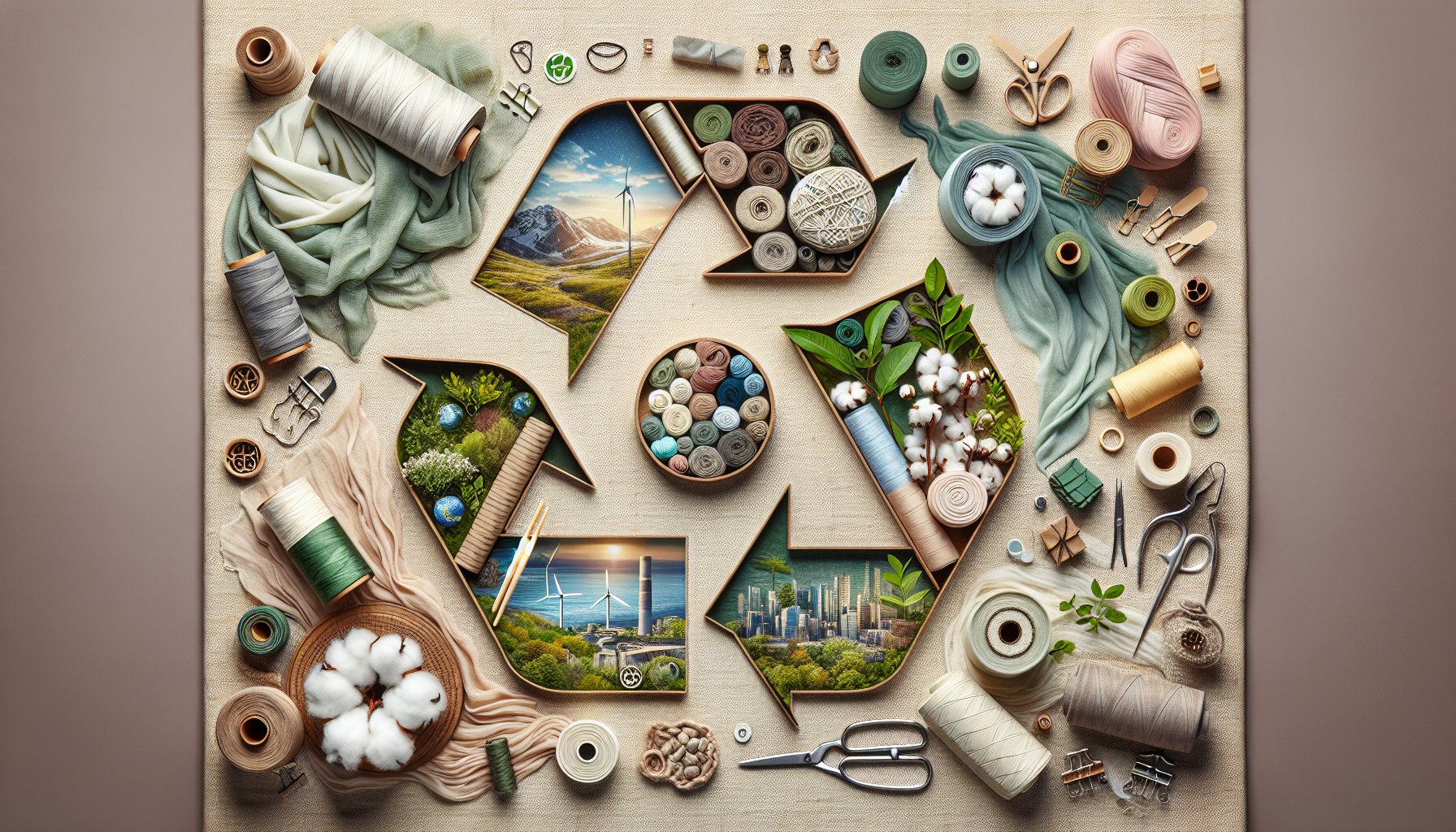
The era of eco-friendly textiles is not a fleeting moment, it's a full-blown revolution. With sustainability as the new black, innovative materials like Tencel (extracted from sustainably sourced wood pulp) and Piñatex (pineapple leaf fibers, anyone?) are redefining 'fabric' in the modern lexicon.
Brands like Stella McCartney and Adidas are not just jumping on this bandwagon; they're driving it, championing materials that blend ethical responsibility with runway finesse. Eco-friendly fabrics are not just a sustainable choice, they’re the chic option, projected to redefine both closets and brand identities.
But there’s more! Smart textiles, think clothing that senses your body temperature or hydration level, are emerging. These tech-infused fabrics promise to elevate function and style, making your wardrobe as smart as your phone.
Weaving Sustainability: Organic Cotton, Hemp, and Biodegradable Synthetics
With a spotlight on sustainability, let's untangle the threads of organic cotton, hemp, and biodegradable synthetics.
Organic Cotton: Less thirsty than its conventional cousin (up to 10,000 liters of water per kilogram), organic cotton is grown sans pesticides. However, it still demands significant land and resources. It's like trading in a gas guzzler for a hybrid, not perfect, but progress.
Hemp: The darling of eco-friendly fabrics, hemp grows faster and drinks less water than cotton. It even gives back to the soil. Yet, the stigma of its cannabis roots lingers, a branding challenge, but with a powerful eco-potential.
Biodegradable Synthetics: These plant-based textiles could be the magic bullet in the battle against microplastics. When your T-shirt's days are over, it’ll biodegrade rather than linger in a landfill for centuries.
The Green Revolution: Innovations on the Horizon
Welcome to the Green Revolution, where fashion is not just about looking good, but doing good. Imagine mushroom-leather jackets and algae-based dresses, garments that promise to vanish without a trace at the end of their stylish lives. Companies like Mylo are already on it, leading us into a future where clothing is part of a circular economy.
Enter smart textiles 2.0: sensors track health metrics, transforming athletic wear into wearable wellness coaches. Combine functionality with recycled materials, and your eco-footprint just shed a shoe size.
AI-driven manufacturing is also on the rise, ensuring clothes are made to measure consumer demand, not discarded in bulk, a savvy solution to fast fashion's wasteful ways.
Woven Connections: Consumer Consciousness and Fashion's Awakening
In this brave new world of fashion, eco-conscious consumers wield significant power. As the industry grapples with its carbon-heavy past, the new-age buyer demands transparency and ethical practices. For example, by choosing organic cotton or recycled materials, consumers aren't just shopping; they're voting for a sustainable future.
Brands like Espace Cannelle are responding, investing in eco-friendly fabric tech that doesn't skimp on style. Transparent supply chains are now a must, with shoppers demanding garment backstories as rich as their fabric's texture.
The Science of Sustainability
Sustainable fashion is evolving from buzzword to backbone, as tech and innovation redefine textiles. Bio-based materials like Tencel and Piñatex lead the charge, using fewer resources and chemicals. AI is optimizing production to cut waste, aligning with circular economy principles.
Moreover, smart textiles are revolutionizing the wearer-garment relationship, offering more than just aesthetics. With every new design, fashion is becoming a partner in sustainability, not a detractor.
From Farm to Fashion
"Farm to fashion" is more than a catchphrase, it’s a movement. Espace Cannelle exemplifies this ethos, transforming agricultural by-products into high-fashion fabrics like pineapple leather. This approach not only reduces environmental impact but also supports local economies, weaving sustainability through every stage of the supply chain.
Style Meets Sustainability
Fast fashion’s flashy allure is fading under the spotlight of sustainability. Brands like Espace Cannelle are proving that eco-friendly doesn't mean unfashionable. With innovations like agricultural waste-based textiles, they're helping redefine luxury as both stylish and sustainable.
Smart textiles are taking it further, offering functionality unheard of in traditional fabrics. Clothes now adapt to your body and environment, setting a new standard for fashion-forward thinking.
Legislative Loom: The Policies Shaping Sustainable Textiles
Governments are stepping up with regulations that promote sustainability, turning whispers of eco-accountability into loud legislative tunes. The EU’s Green Deal, for example, is crafting a roadmap that weaves environmental responsibility through every fiber of the textile industry.
As policies encourage innovation and demand accountability, brands that adapt are leading the charge. Espace Cannelle, for instance, is aligning with these shifts, demonstrating that sustainability is not just compliant but competitive.
Consumer Empowerment
In the digital age, an informed consumer is a powerful one. Consumers are now demanding transparency and accountability from brands, driving a shift toward sustainable innovation. Brands like Espace Cannelle are rising to the challenge, offering eco-friendly, transparent options that align with consumer values.
Threads of Tomorrow
As we embrace 2025, the future of textiles is rich with promise. The industry's next chapter marries technology, sustainability, and social responsibility, inviting us all to rethink our wardrobes. With brands like Espace Cannelle leading the way, every thread is part of a larger narrative, one that's stylish, sustainable, and unyieldingly optimistic.
 Av. Valbom 24 B, 2750-508 Cascais, Portugal

Need Help?
Check out these related products that can help:
Other Articles You Will Like
Dresses
10 Casual Dresses That Are Perfect for Running Errands in Style
Discover 10 casual dresses that blend comfort and style, perfect for running errands. Elevate your everyday look with versatile silhouettes and sustainable fabrics that make errands feel like a fashion statement.
Dec 09, 2025
Read More
Dresses
How to Style Dresses: Expert Tips for Every Body Type
Unlock the secrets to styling dresses for every body type with expert tips from Espace Cannelle. Embrace your unique shape and discover how to choose the perfect silhouette, fabric, and accessories to feel confident and fabulous in every dress.
Dec 08, 2025
Read More
Dresses
8 Statement Dresses You Need for Your 2025 Festival Lineup
Get ready for the 2025 festival season with our guide to 8 statement dresses you need for your lineup. Discover vibrant styles, sustainable fabrics, and accessorizing tips to make your festival experience unforgettable!
Dec 06, 2025
Read More
Dresses
2025 Color Trends in Dresses: What Shades Will Dominate the Market?
Discover the vibrant 2025 color trends in dresses that will redefine fashion. From earthy tones to bold neons, explore how these shades reflect our identities and cultural narratives. Click to learn what colors will dominate the market!
Dec 06, 2025
Read More
Dresses
From Runway to Real Life: 2025's Most Anticipated Dress Styles
Explore how 2025's fashion blends runway artistry with real-life functionality. Discover versatile styles from Rachel Comey and Maria McManus that empower women through sustainability and personal narratives. Click to learn more!
Dec 05, 2025
Read More