

Scarves
The History of Scarves: From Functional Fashion to Style Statement
Discover the fascinating journey of scarves from ancient status symbols to modern fashion essentials. Uncover their cultural significance, luxurious history, and how they became a versatile style statement in today's wardrobe.
Jan 21, 2026
5 min read
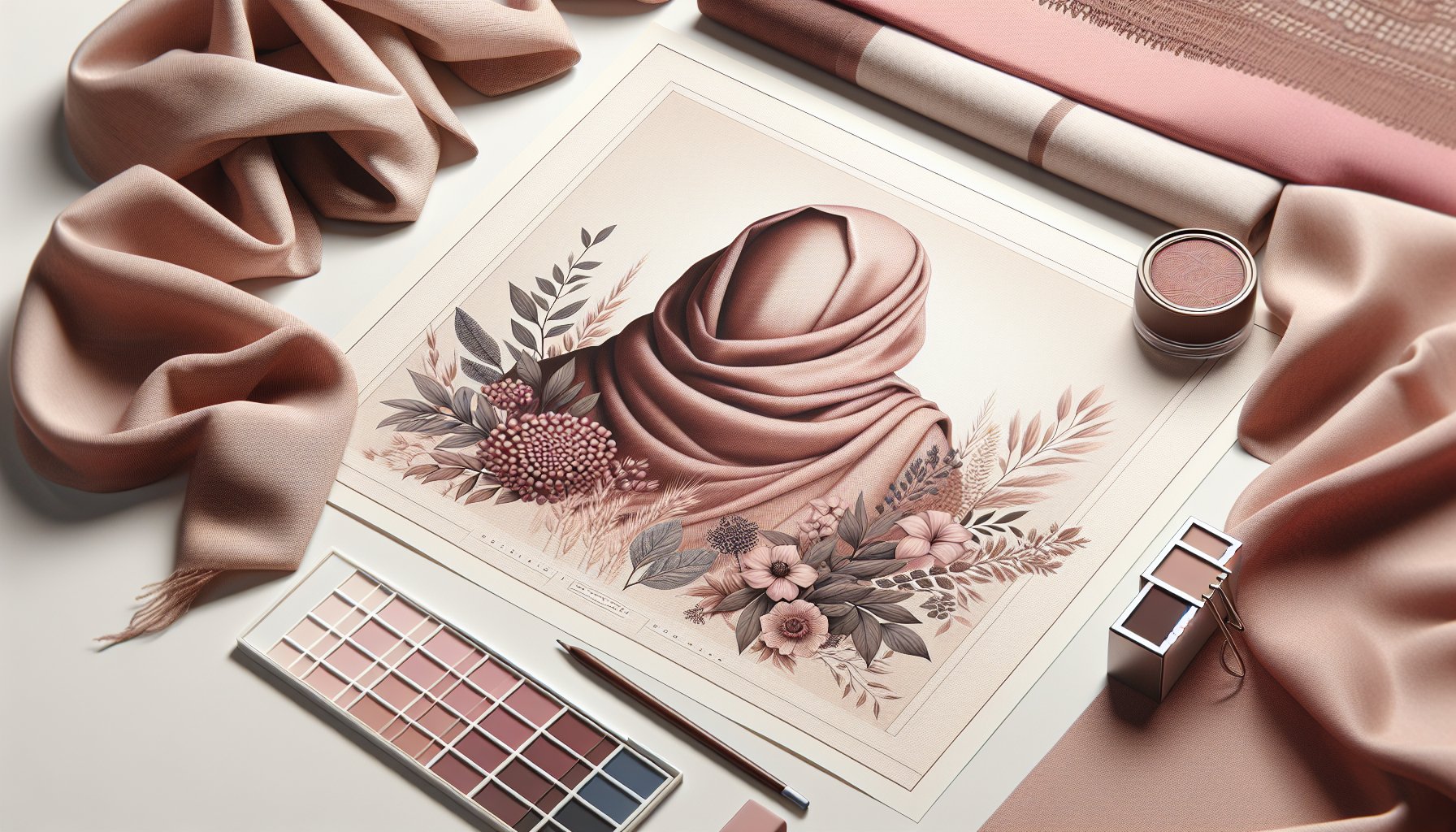
The History of Scarves: From Functional Fabric to Essential Style Statement
No-nonsense TL;DR:
Scarves aren't just for keeping warm. They've been around since 1350 BC and have evolved from symbols of status (hello, Queen Nefertiti) to must-have fashion accessories (thanks, Audrey Hepburn). Whether in ancient Rome with the practical "sudarium" or the luxurious silk wraps of Renaissance Europe, scarves have always told a story. Nowadays, they keep us stylishly cozy and let us show off our personalities. So, whether you're channeling a rock star or a royal, the scarf is your versatile, cultural, and chic ally in the fashion game.
1. The Practical Threads of Time
Let’s roll back the centuries to when scarves were less style and more survival. Picture this: Ancient Egypt, around 1350 BC. Scarves were the ultimate status symbol, worn by none other than Queen Nefertiti. Not just for warmth, these were elite emblems, woven to whisper (or shout) about the wearer's power and prestige.
Then, hop on your time machine and zoom forward to Ancient Rome, where the "sudarium" served a sweat-wicking function in the Mediterranean heat. Romans, always the innovators, started wearing these around their necks, inadvertently inventing a fashion trend that's stuck around for, oh, a couple of thousand years.
2. Luxurious Leaps in Fashion
Move over utility, here comes opulence! During the Renaissance, scarves became luxury items, made from silks and adorned with elaborate embroidery, essentially the "IT" accessory of the upper class. Royals and aristocrats showed off their wealth by draping themselves in these luxurious pieces, with Queen Elizabeth I leading the charge, using intricately designed scarves to enhance her already extravagant outfits.
Louis XIV of France was all about the cravat, the forerunner of the modern necktie and a signifier of style that infiltrated every European court. Scarves were now not just functional; they were the equivalent of a Renaissance-era Instagram post, showcasing wealth, style, and a touch of royal flair.
3. From Battlefields to the Silver Screen
Scarves were versatile during wartime, doubling as warmth and comfort for soldiers, but it’s in the 20th century that they truly found fame. Silver screen icons like Audrey Hepburn and Grace Kelly transformed scarves into symbols of chic elegance. Draped around their necks or elegantly tied in their hair, scarves were now Hollywood’s favorite accessory, exuding sophistication in every frame.
4. The Cultural Kaleidoscope
Scarves are the Swiss army knife of clothing, adapting to cultures worldwide. In Japan, the furoshiki isn't just a scarf, it's a multi-purpose tool for wrapping and carrying. In the Middle East, the keffiyeh serves as a practical garment and a symbol of identity, while in France, scarves have come to embody Parisian elegance, effortlessly adding a dash of je ne sais quoi to any outfit.
Across Africa, vibrant headwraps tell stories of identity and tradition, transforming simple cloth into a powerful statement of cultural pride. The scarf, it seems, is the ultimate passport through history and geography.
5. The Hermès Phenomenon
Speaking of luxury, Hermès has turned scarf-making into an art form. Since 1937, each Hermès scarf has told its own story, with designs inspired by everything from mythology to nature. Crafted with up to 250 colors, these scarves are not just fashion items; they're collector's pieces, draping their wearers in a legacy of luxury and style.
6. Pop Culture's Fabric of Identity
From Audrey Hepburn's effortless chic to punk rock's rebellious edge, scarves have left their mark on pop culture. Whether it’s the sophisticated wrap of a Hollywood star or the gritty edge of a '70s rock band, scarves have become synonymous with self-expression, asserting identity through layers of fabric and folds.
7. The Modern Revival: Conscientious Consumerism
Today, sustainability is the name of the game, and brands like Espace Cannelle are leading the charge. By using organic materials and traditional craftsmanship, they're making scarves that are both style-savvy and eco-friendly. Scarves have become emblems of ethical awareness, as consumers demand fashion that’s as kind to the planet as it is to their wardrobes.
8. The Art of Styling
In today’s fashion arena, the scarf is king of versatility. Oversized scarves add dramatic flair, while silk scarves transform into stylish hair accessories or chic belts. From runway to real way, scarves let you channel your inner fashionista, offering endless ways to wrap, knot, and drape your way to style glory.
9. The Future of Scarves
Looking ahead, scarves are set to evolve alongside tech and trends. Think eco-friendly fabrics and smart scarves that adapt to climate changes. Personalization will also play a big role, as brands offer unique designs that let you wear your personality around your neck.
10. Personal Connections
Scarves are more than fabric, they’re emotional artifacts. Whether passed down through generations or marking milestones, they carry stories of love, identity, and resilience. Every scarf tells a tale, from the comfort of a grandmother’s embrace to the unity of a political movement, intertwining personal and cultural narratives with every knot and drape.
In essence, the scarf is a timeless companion, adapting through eras, cultures, and styles, stitching together a rich tapestry of history and personal expression that remains wrapped around us today.
 Av. Valbom 24 B, 2750-508 Cascais, Portugal

Need Help?
Check out these related products that can help:
Other Articles You Will Like
Scarves
15 Affordable Scarves That Look Luxurious on a Budget
Discover 15 affordable scarves that look luxurious on a budget! Elevate your style with chic cashmere and vibrant patterns without breaking the bank. Perfect for any occasion, these scarves are your new go-to accessory for warmth and sophistication.
Jan 27, 2026
Read More
Scarves
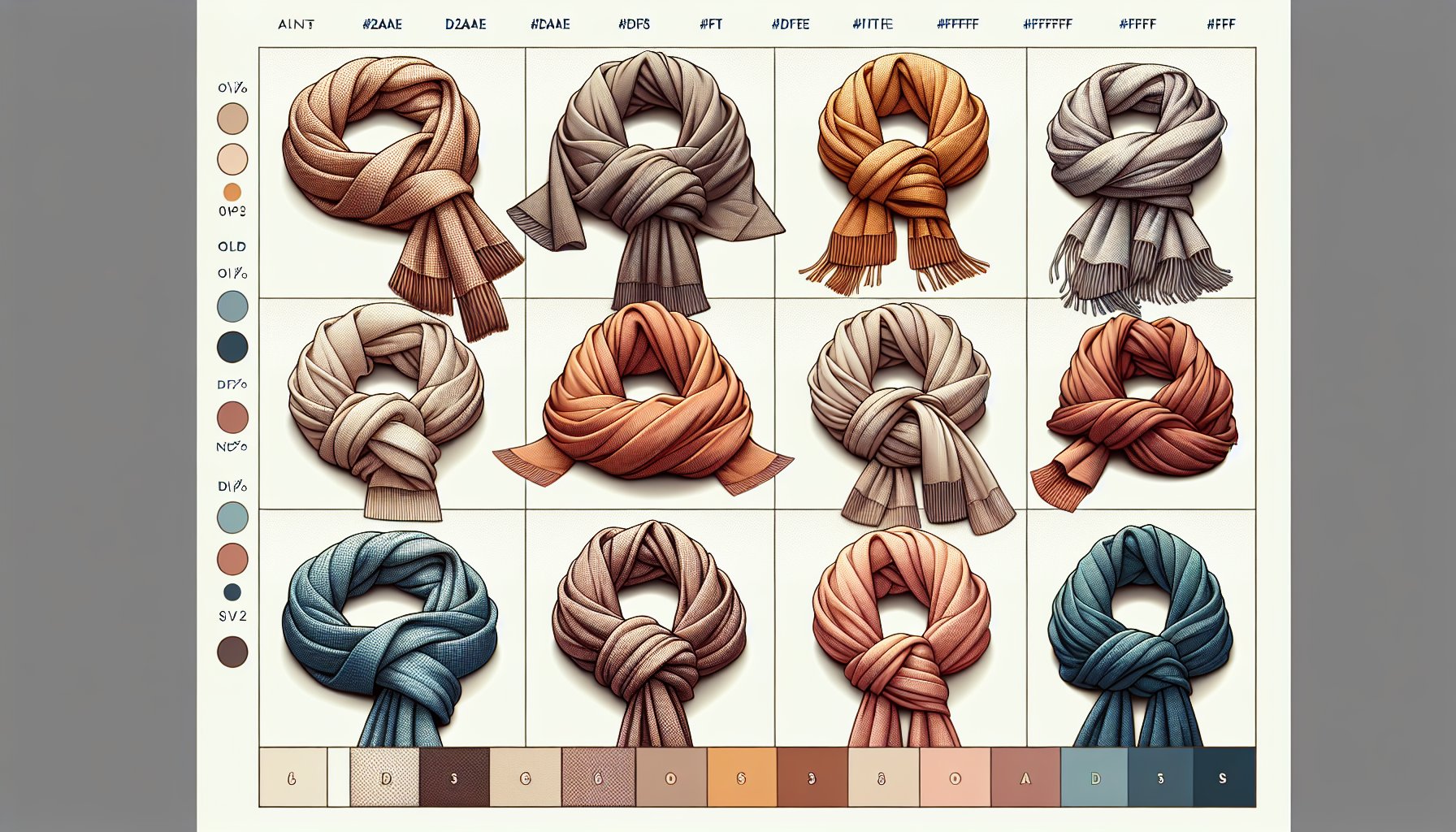
Accessorizing with Scarves: Tips from 2025's Top Fashion Designers
Discover how scarves are transforming fashion in 2025! Explore tips from top designers on knotting techniques, color psychology, and sustainability, making scarves the ultimate accessory for self-expression and warmth this winter.
Jan 19, 2026
Read More
Scarves
The Ultimate Guide to Choosing the Right Scarf for Your Outfit
Unlock the secrets of scarf styling with our ultimate guide! Discover how to choose the perfect scarf for every outfit, explore fabric types, colors, and knotting techniques to elevate your fashion game. Transform your look and express your unique style effortlessly!
Nov 28, 2025
Read More
Scarves
Layering Techniques: Mastering the Art of Scarves in 2025 Fashion
Discover how to master the art of scarves in 2025 fashion. Explore layering techniques that transform outfits into statements of style, blending textures and colors for a unique expression. Unleash your creativity with scarves that tell your story!
Nov 26, 2025
Read More