

Tops
Sustainable Practices: Top Trends Transforming the Industry Landscape in 2025
Discover how sustainable practices are reshaping the fashion industry in 2025. Explore trends like circular economies, tech innovations, and consumer demands driving genuine change. Join the revolution towards a more sustainable future in fashion!
Dec 13, 2025
4 min read
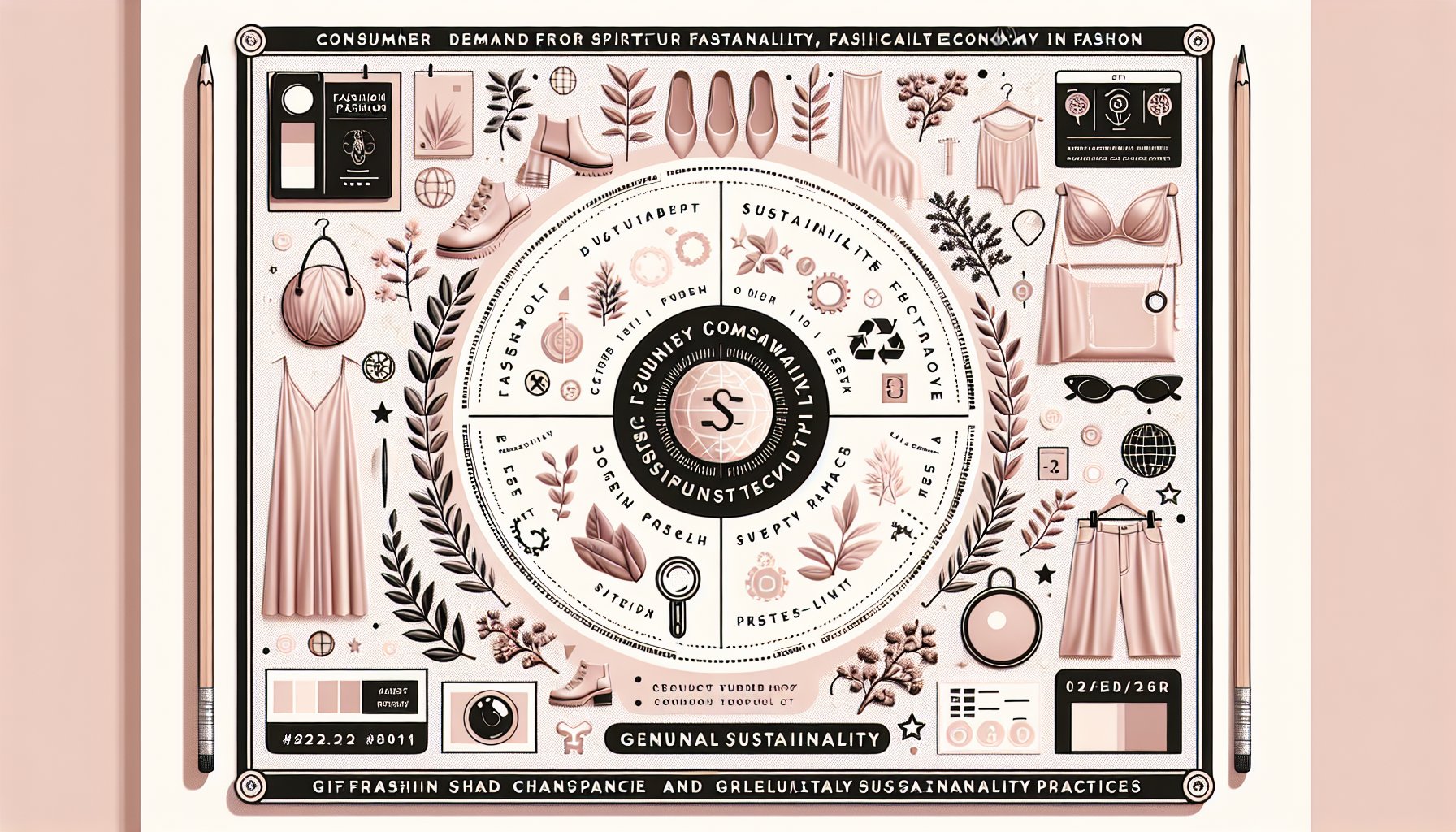
Sustainable Practices: Top Trends Transforming the Industry Landscape in 2025
TL;DR: The fashion industry is undergoing a seismic shift toward sustainability, with brands no longer able to rely on superficial greenwashing. The rise of circular economies, tech innovations, consumer demand, and strict regulations are forcing genuine transparency and accountability. Welcome to the new era of fashion, where survival depends on authenticity, innovation, and a genuine commitment to reducing environmental impact.
As the fashion world struts into 2025, it’s clear that sustainability is no longer just a catchy buzzword, it’s the runway’s new black. With the industry staring down the barrel of 8-10% of global carbon emissions and 92 million tons of annual waste, brands can no longer hide behind flashy eco-friendly slogans. Instead, they’re being dragged by the hem into a transformative era where sustainability is a make-or-break imperative.
Circular Economy: Fashion's New (Old) Trend
Riding the wave of change is the circular economy, poised to transform the industry from a linear waste machine into a regenerative powerhouse. Think of it as fashion recycling itself, with brands like Patagonia and Stella McCartney setting the gold standard by using recycled materials and maintaining transparent supply chains. As regulations tighten, hello, Digital Product Passport, brands must prove their green claims with cold, hard data, not just pretty words.
Tech Meets Nature: A Digital Revolution
In a plot twist worthy of a sci-fi blockbuster, technology has become fashion’s unexpected hero. AI and blockchain are revolutionizing supply chains, allowing brands to predict demand with the accuracy of a psychic hotline. This isn’t just about keeping up with trends; it’s about survival in a world where consumers demand to know the entire life story of their $30 t-shirt.
Seeds of Change: A Consumer-Led Revolution
With a whopping 67% of consumers prioritizing sustainable materials, brands must heed the call or risk becoming the fashion equivalent of a rotary phone. Espace Cannelle and its cohorts are at the forefront, weaving sustainability into their DNA and leading by example. Because, let’s face it, in this enlightened age, nobody is buying the "we’re eco-friendly" line unless it’s backed by action and accountability.
Beyond the Buzzword: Genuine Sustainability
The fashion industry is shedding its greenwashed skin, with brands like Espace Cannelle championing genuine sustainability rather than surface-level claims. It’s about real data, honest practices, and a commitment to doing better, all while navigating the choppy waters of consumer expectations and regulatory demands. The stakes have never been higher, and as we inch toward 2026, the industry’s transformation is only gathering steam.
Supply Chain Revolution: Green Partnerships
Sustainability isn’t just about products; it's about the entire ecosystem. Espace Cannelle is leading the charge with eco-conscious partnerships that redefine their supply chain. Whether it’s organic cotton from regenerative farms or blockchain-enabled transparency, these collaborations are revolutionizing how brands interact with their suppliers and consumers.
Employee Engagement: Cultivating a Green Culture
The internal culture of fashion brands is just as critical as their public image. Engaging employees in sustainability initiatives not only boosts morale but also ensures everyone’s on board with the green mission. Leadership plays a crucial role here, by modeling sustainable practices, they inspire the team to innovate and think green.
Consumer Consciousness: The Ethical Choice
Brands must adapt to the shift in consumer consciousness towards ethical choices. Today’s shoppers are armed with tech tools, scrutinizing supply chains, and demanding authenticity. The rise of resale markets and capsule collections reflect a broader cultural embrace of sustainability, and the brands that align with this movement stand to gain significant consumer loyalty.
Policies and Regulations: Navigating Compliance
New regulations are forcing fashion brands to put their money where their mouth is. From the Digital Product Passport to the Corporate Sustainability Due Diligence Directive, the compliance landscape is a minefield of accountability. Brands must embrace transparency and leverage technology to stay ahead or risk falling foul of these new laws.
Measuring Impact: Metrics for Success
In an industry where carbon footprints and traceability are the new KPIs, brands need robust frameworks for evaluating sustainability efforts. The shift towards comprehensive, measurable outcomes means that companies must not only talk the talk but walk the walk, or risk losing their competitive edge.
Vision 2030: A Call to Action
As we look toward 2030, the fashion industry is at a crossroads. The path to survival lies in radical transparency and genuine sustainability. Brands must innovate product lines, embrace quality over quantity, and ensure their operations are ethical and environmentally sound. The future is clear: adapt or risk becoming obsolete in a world where consumer trust and ecological responsibility are the ultimate currencies.
And there you have it, the blueprint for fashion's sustainable future. Buckle up, because this isn’t just a trend. It’s a revolution.
 Av. Valbom 24 B, 2750-508 Cascais, Portugal

Need Help?
Check out these related products that can help:
Other Articles You Will Like
Tops
Top Technology Innovations Revolutionizing the Industry in 2025
Explore how Espace Cannelle is transforming the event industry with cutting-edge technology innovations like AI, AR, and blockchain. Join the revolution in 2025 for immersive, personalized experiences that are sustainable and secure.
Jan 16, 2026
Read More

Tops
The Rise of Remote Work: Top Trends Impacting Industries in 2025
Discover how The Rise of Remote Work: Top Trends Impacting Industries in 2025 is reshaping business dynamics. From tech innovations to a focus on mental health, learn what to expect in the evolving workplace landscape.
Jan 15, 2026
Read More

Tops
15 Stylish Tops to Elevate Your Casual Look in 2025
Discover 15 stylish tops to elevate your casual look in 2025. From statement sleeves to tailored pieces, explore how to blend comfort and chic effortlessly. Transform your wardrobe with unique styles that reflect your individuality and stay ahead of the fashion curve!
Dec 16, 2025
Read More


Tops
5 Statement Tops That Will Make You Stand Out in 2025
Discover the transformative power of 5 statement tops that will make you stand out in 2025. Embrace individuality, sustainability, and bold styles that reflect your unique story. Elevate your wardrobe with Espace Cannelle's innovative collection today!
Dec 09, 2025
Read More
Tops
Must-Have Tops for Your 2025 Wardrobe: Essentials for Every Fashionista
Discover the must-have tops for your 2025 wardrobe that blend style, versatility, and sustainability. Elevate your fashion game with pieces that reflect your identity and values. Explore the essentials every fashionista needs to make a statement!
Dec 08, 2025
Read More
Tops
The Best Fabrics for Stylish Tops: A Detailed Breakdown
Uncover the secrets of fabric choices that elevate your style. From cotton to eco-friendly materials, learn how each fabric impacts comfort, sustainability, and fashion at Espace Cannelle. Discover the art of mixing textures and patterns for a wardrobe that tells your unique story.
Dec 07, 2025
Read More